A gunite pool is constructed specifically for your property rather than selected from a limited catalog of predetermined shapes. Its size, depth, steps, seating, spa, tanning ledge, finishes, and surrounding patio can all be planned around your home and the way you want to use your backyard.
AMD Pool & Patios designs and installs custom gunite pools for homeowners throughout Rhode Island and Southern Massachusetts. From the initial design and site preparation to the pool shell, interior finish, equipment, coping, and surrounding patio, we help bring every part of your outdoor living space together.
Whether you envision a classic rectangular pool, a freeform backyard retreat, an integrated spa, or a complete pool and patio transformation, our team can help you create a space designed around your property and your goals.
Request a Pool Consultation Call AMD Pool & PatiosEvery backyard presents different opportunities and challenges. Property dimensions, access, sunlight, grading, drainage, existing landscaping, and the location of the home all influence where a pool should be placed and how the surrounding space should be arranged.
Gunite construction provides flexibility to design the pool around those conditions.
Instead of making your yard accommodate a premanufactured pool shell, the pool can be shaped and sized to complement your property. The depth, entry points, steps, benches, and surrounding patio can also be planned around how you intend to swim, relax, entertain, and spend time outdoors.
Your custom gunite pool may include:
A gunite pool is a type of reinforced concrete swimming pool constructed directly at your property.
The pool begins with an excavated shape and a steel reinforcing framework. A dry mixture of cement and sand is delivered through a hose, combined with water at the application nozzle, and pneumatically applied over the steel framework.
Because the shell is constructed and shaped on-site instead of manufactured in a predetermined mold, gunite can be used to create pools in a wide variety of shapes, sizes, depths, and configurations.
After the pool shell has been applied and allowed to cure, the pool is completed with the selected interior finish, waterline tile, coping, equipment, and surrounding patio.
Gunite pools generally require a longer construction process than fiberglass or vinyl-liner pools, but they provide a greater level of customization.
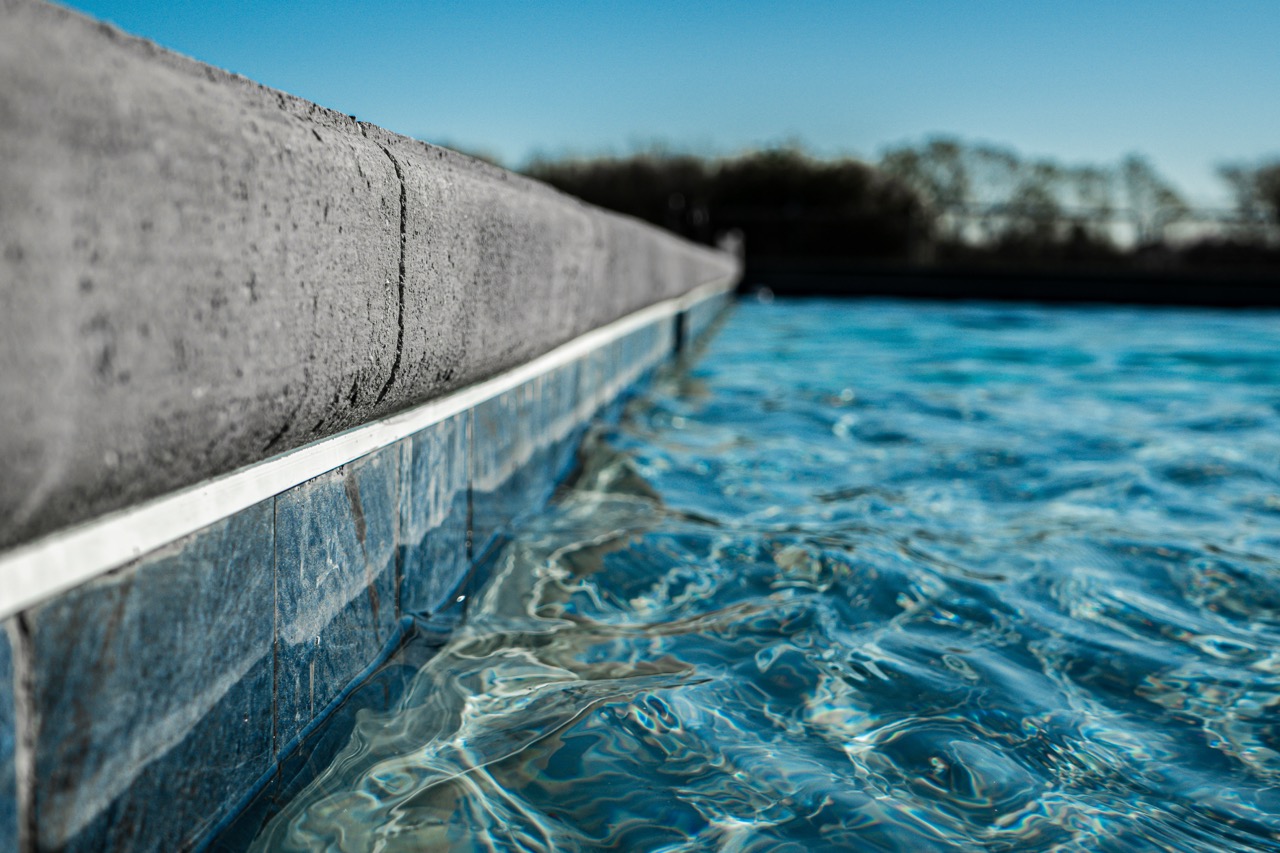
Choosing an inground pool begins with understanding how each pool type is constructed and where each option provides the most value.
| Gunite | Fiberglass | Vinyl Liner | |
|---|---|---|---|
| How it's built | Sprayed on-site over a steel rebar frame, shaped by hand | Pre-molded shell manufactured off-site, then set into an excavated hole | Steel or polymer wall panels set in place, lined with a vinyl sheet |
| Shape and size options | Virtually unlimited — custom shape, depth, and features built to the yard | Limited to the manufacturer's existing shell molds and sizes | Flexible shapes, but limited by standard panel and liner sizes |
| Typical build timeline | Longest of the three — usually 8–14 weeks since it's built and cured on-site | Fastest — often just a few weeks, since the shell arrives pre-made | Faster than gunite, slower than fiberglass |
| Surface feel | Plaster, pebble, or tile — can feel slightly textured depending on finish | Smooth, gel-coated surface | Smooth vinyl surface |
| Typical lifespan | Decades, with the shell itself outlasting most other pool components if maintained | Long-lasting shell, though gel coat may need attention over time | Liner typically needs replacement every 7–15 years |
| Maintenance | Standard water balance; surface may need occasional resurfacing over decades | Generally low — smooth surface resists algae | Liner is more prone to punctures/tears and needs periodic replacement |
| Best for | Homeowners who want a fully custom shape, added features (tanning ledge, spa, vanishing edge), and a build that's made for this specific yard | Homeowners who want a faster install and don't need a custom shape | Homeowners prioritizing lower upfront cost who are comfortable with future liner replacement |
People use these two words like they mean the same thing, and technically they're close cousins, but the mix isn't built the same way. Shotcrete is wet concrete — already mixed — that gets shot out of the hose. Gunite starts dry and only meets water right at the nozzle, which means our crew controls exactly how much water goes into the mix in real time instead of hoping a batch mixed an hour ago is still workable. That control is why gunite has been the standard for custom pool shells for decades: it lets us build up the shell in layers and hand-shape it as we go, rather than committing to a pour all at once.
Gunite pools can be designed around the dimensions, contours, and architectural style of the property. You are not limited to a predetermined shell or a small selection of standard layouts.
The shallow and deep areas of the pool can be planned around your intended use. Steps, benches, ledges, and entry points can also be incorporated into the structure.
Spas, tanning ledges, built-in seating, vanishing edges, and certain water features can be constructed as part of the pool shell rather than added as separate components.
The pool, coping, patio, walkways, retaining walls, and entertaining areas can be planned together to improve traffic flow and create a consistent finished appearance.
With proper construction, water care, maintenance, and periodic resurfacing, a gunite pool can provide decades of use and become a permanent focal point of the backyard.
Each project is different, but a typical custom gunite pool installation includes the following stages.
We begin by discussing how you want to use the pool, which features are most important, and how the pool should fit into the overall backyard.
The property is reviewed for available space, access, grading, drainage, sunlight, utilities, existing landscaping, and the relationship between the pool, home, and surrounding outdoor areas.
Looking at the entire yard before finalizing the pool helps prevent the finished space from feeling disconnected or crowded.
The pool is designed around the property and your preferences. During this stage, we plan the pool’s:
Inground pool projects generally require local building, zoning, electrical, safety, and related approvals. Setback, barrier, fencing, inspection, and documentation requirements can vary by municipality and property.
The required approvals and site preparations are addressed before excavation begins.
The approved pool design is marked on the property so the location, shape, and dimensions can be reviewed before excavation.
The pool area is then excavated according to the design. Property access, soil conditions, ledge, groundwater, grading, and the amount of material that must be removed can all affect this stage.
A reinforced steel framework is installed throughout the pool structure, including the floor, walls, steps, benches, ledges, and other structural features.
The framework helps establish the pool’s shape and reinforces the concrete shell.
Pool plumbing is installed during this stage. Lines are positioned for the pool’s skimmers, drains, returns, water features, spa, and selected equipment before the shell is applied.
This is one of the most important stages of construction because much of this work will no longer be visible once the pool is complete.
The gunite mixture is pneumatically applied over the reinforced steel framework.
The material is built up and shaped to form the pool floor, walls, steps, benches, tanning ledges, spa, and other structural features included in the design.
This on-site application is what gives gunite pools their design flexibility. The pool shell is constructed specifically for the property instead of being manufactured in a predetermined mold.
After the gunite has been applied, the shell must be allowed to cure properly before the remaining finishes are installed.
Curing is an essential part of the construction process and should not be rushed. Weather, temperature, project specifications, and the materials used can affect the curing requirements and construction schedule.
The pool’s electrical, bonding, lighting, controls, pump, filter, heater, sanitization equipment, and other selected systems are installed and connected as the project progresses.
Equipment is selected according to the pool’s size, features, plumbing, desired functionality, and automation requirements.
Waterline tile is installed along the inside perimeter of the pool.
Coping is installed around the top edge of the pool shell, creating a finished transition between the pool and the surrounding patio.
Coping options may include materials that coordinate with the patio, home, landscape, and overall pool design.
The selected interior finish is applied to create the final surface of the pool. Finish options can affect the pool’s:
After the finish is applied, the pool is filled according to the appropriate startup procedure.
The pool patio and surrounding outdoor features are completed to create a connected backyard environment.
Depending on the project, the surrounding space may include:
Planning the pool and patio together creates a more functional layout and a more cohesive finished design.
Explore Our Patio and Hardscaping Services
Once the pool is filled, the water is balanced and the pool equipment is started.
We review the completed pool and explain the operation of the pump, filter, heater, controls, lighting, sanitization equipment, and other installed features.
The homeowner walkthrough helps you understand how to operate and care for your new pool before regular use begins.
Request a Gunite Pool ConsultationA gunite pool is constructed through multiple stages rather than delivered as a completed shell. The overall project includes design, local approvals, site preparation, excavation, steel, plumbing, gunite application, curing, tile, coping, interior finishing, equipment installation, and patio construction.
The total timeline depends on:
Starting the planning process early provides more time for design decisions, product selections, approvals, scheduling, and construction.
During your consultation, AMD Pool & Patios can explain the expected schedule based on your proposed pool and property.
Pool construction in Rhode Island and Massachusetts requires an understanding of local weather, soil, groundwater, drainage, and seasonal conditions.
New England properties may present challenges such as:
These conditions should be evaluated while the pool and surrounding patio are being planned.
A pool should not be designed as an isolated feature. The location of the pool, grading of the property, drainage patterns, equipment placement, patio elevation, retaining walls, and surrounding landscape all need to work together.
AMD Pool & Patios reviews the proposed location and site conditions before construction so the pool can be designed around the realities of the property.
Proper winterization protects the pool’s plumbing, equipment, interior finish, and other components during freezing weather.
A professional winterization process may include:
The exact winterization procedure depends on the pool, equipment, plumbing configuration, cover system, and installed features.
A gunite pool should not normally be completely drained for the winter. Water helps protect the pool structure and interior surface while the pool is closed.
Learn About Pool Closing and Winterization
An attached spa can be incorporated directly into the pool design. It may be level with the pool, raised above it, or connected with a spillway.
Because the spa affects the shell, plumbing, equipment, and layout, it should be planned during the original design stage.
A shallow tanning ledge provides a place for partially submerged lounge chairs, in-water relaxation, and easier access to the water.
The size, depth, shape, and placement of the ledge can be customized.
Steps and benches can be formed as part of the gunite shell. This provides more flexibility than selecting from a limited group of prefabricated components.
Water features can introduce movement, sound, and visual interest to the pool. Options may include:
Water features should be selected during the design process so the plumbing, equipment, structure, and surrounding patio can be planned properly.
Certain properties may be suitable for a vanishing-edge or negative-edge pool design.
These pools require additional structural, hydraulic, drainage, and site planning and are most effective on properties with the appropriate elevation and view.
Pool lighting improves visibility and changes the appearance of the pool after sunset.
Lighting can be positioned in the pool, spa, steps, water features, patio, walkways, walls, and surrounding landscape to create a coordinated nighttime environment.
An automatic pool cover can provide convenience, reduce debris, limit evaporation, and add an additional layer of protection when correctly installed and used.
A recessed automatic-cover system should generally be considered during the original pool design because it can affect the pool shape, coping, cover housing, tracks, drainage, electrical work, and surrounding patio.
A saltwater chlorine-generation system can automatically produce chlorine from salt added to the pool water.
Saltwater pools still require testing, balancing, cleaning, and routine equipment maintenance. They should not be described as chlorine-free or maintenance-free.
A pool heater can extend the swimming season and help maintain a more comfortable water temperature.
The right heating system depends on the pool size, intended temperature, expected usage, available utilities, equipment location, and efficiency goals.
Pool automation can provide app-based control of selected equipment, including:
The exact functions available depend on the equipment and automation system selected for the project.
External Links: Pool Title Options
The interior finish plays an important role in the overall appearance, texture, water color, and character of your pool. There are several finish options available, each offering a unique look and feel.
Traditional plaster provides a smooth, classic pool interior and is available in a variety of colors to complement different backyard designs and architectural styles.
Quartz finishes combine plaster with quartz aggregate to create a more durable surface that is available in a range of colors and textures.
Aggregate and pebble finishes expose small stones within the pool surface, creating a textured appearance with added visual depth and a distinctive natural look.
Additional specialty finishes may be available depending on the desired texture, color, design preferences, and project requirements.
The final appearance of your pool water is influenced by more than the selected finish sample. Pool depth, sunlight, surrounding materials, landscaping, coping, tile, and even reflections from the sky all contribute to the finished water color.
AMD Pool & Patios can help you compare interior finishes, tile selections, and coping materials to create a cohesive design that complements your home, patio, and outdoor living space.
External Links: Pool Finishes: StoneScapes | Pool Finishes: QuartzScapes | Pool Finishes: PlasterScapes
Some pool upgrades can be added after installation, while others are significantly easier to incorporate during the original design.
The following features affect the pool shell, plumbing, structure, or surrounding patio and should generally be included in the original design:
Depending on the existing pool, plumbing, electrical service, equipment, and design, it may be possible to add or upgrade:
Planning your desired features from the beginning is usually more efficient and helps the pool, plumbing, equipment, and patio work together.
The cost of a custom gunite pool depends on the pool design, property conditions, equipment, finishes, and the surrounding outdoor living features included in the project.
Several factors influence the overall investment, including:
A meaningful estimate requires more than selecting a pool size from a price chart. The pool, property, and desired features should be evaluated together so the complete scope of work can be considered.
Contact AMD Pool & Patios to schedule a consultation and discuss your project goals, site conditions, preferred features, and budget. We'll help you design a custom gunite pool that fits your property and outdoor living vision.
Request a Pool EstimateGunite and shotcrete are both pneumatically applied concrete materials used to construct reinforced pool shells.
Gunite begins as a dry cement and sand mixture, with water introduced at the application nozzle. Shotcrete is mixed with water before it enters the application hose. The primary difference is when water is added to the mixture.
A gunite pool is constructed and shaped at the property, providing extensive flexibility in size, depth, shape, steps, seating, spas, and structural features.
A fiberglass pool is delivered as a premanufactured shell and is limited to the manufacturer’s available shapes and dimensions. A vinyl-liner pool uses wall panels covered by a flexible liner that requires periodic replacement.
Gunite generally takes longer to construct but provides the greatest design flexibility.
Gunite pool construction involves design, permitting, excavation, steel, plumbing, shell application, curing, tile, coping, equipment, interior finishing, and patio work.
The schedule depends on the pool design, property access, site conditions, municipal approvals, inspections, weather, material availability, and the amount of surrounding outdoor work.
AMD Pool & Patios can provide a projected schedule after reviewing your property and proposed pool.
Inground swimming pools generally require local building, zoning, electrical, barrier, and safety approvals.
The requirements vary by municipality and property. Setbacks, fencing, gates, alarms, inspections, drainage, and documentation may all need to be addressed before the pool can be completed.
Gunite allows for a wide variety of custom shapes, sizes, and depths.
The final design must also account for the property boundaries, setbacks, utilities, septic systems, wells, access, grading, drainage, soil conditions, local requirements, and available construction space.
Yes. An integrated spa can be constructed as part of a gunite pool.
The spa may be raised, level with the pool, connected with a spillway, or incorporated into another custom configuration. Because the spa affects the pool structure, plumbing, equipment, and controls, it should be included in the original design.
Yes. A tanning ledge or sun shelf can be incorporated directly into the gunite shell.
Its shape, size, depth, location, and access can be customized based on the pool design and how you plan to use it.
Yes. Automatic pool covers can be incorporated into many gunite pool designs.
The pool shape, coping, recessed cover housing, tracks, drainage, electrical requirements, and patio should be planned together. Discussing the cover during the design stage generally produces a cleaner and more integrated installation.
A gunite pool designed for New England should account for freezing weather, seasonal groundwater, drainage, plumbing protection, and winter closure requirements.
Proper winterization protects the pool lines, equipment, interior finish, and accessories. The pool should be closed using a procedure appropriate for its plumbing, equipment, cover, and installed features.
Winterization generally involves adjusting the water level, balancing the water, removing water from plumbing lines, plugging or protecting the lines, winterizing the equipment, and installing the appropriate cover.
The exact process depends on the pool configuration and equipment. A gunite pool should not normally be completely drained for winter closure.
Yes. A gunite pool requires routine cleaning, water testing, chemical balancing, filtration, equipment maintenance, seasonal opening, and winterization.
The interior finish may eventually require resurfacing. The timing depends on the finish, water chemistry, use, maintenance, and environmental conditions.
With proper construction and ongoing care, the reinforced pool shell can provide decades of use.
The interior finish and mechanical equipment will require maintenance and eventual replacement before the structural shell. Actual longevity depends on construction, site conditions, water care, maintenance, drainage, and use.
Yes. AMD Pool & Patios can coordinate the pool with the surrounding patio, walkways, walls, steps, and outdoor living features.
Planning the pool and patio together helps create better circulation, usable entertaining space, and a consistent design throughout the backyard.
AMD Pool & Patios provides custom gunite pool installation for qualifying properties throughout Rhode Island and Southern Massachusetts.
Contact our team with your project address to confirm service availability in your city or town.
Your pool should fit more than the dimensions of your yard. It should fit your home, your lifestyle, and the way you want to spend time outdoors.
AMD Pool & Patios can help you design a custom gunite pool and surrounding outdoor living space for your property in Rhode Island or Southern Massachusetts.
Contact our team to schedule a consultation, discuss your ideas, and begin planning your backyard transformation.
Request a Pool Consultation Call AMD Pool & Patios
Whether you have questions about your project, budget, or our services.
Simply fill out the form and we'll be in touch.
Please fill out this form or call (401) 525-6869 to receive a quote.